
Finding the Right Custom Hat for Your Brand
Not all hats work for all brands. A tech startup looks out of place in a structured golf cap. A construction company loses credibility with flimsy promotional caps. The hat you choose sends a message before anyone reads your logo.
This guide breaks down what actually matters when ordering custom hats online: which styles fit which contexts, how different decoration methods affect your design, and the practical details that separate professional results from amateur ones.
Hat Styles and When to Use Them
Trucker Hats: The Versatile Workhorse
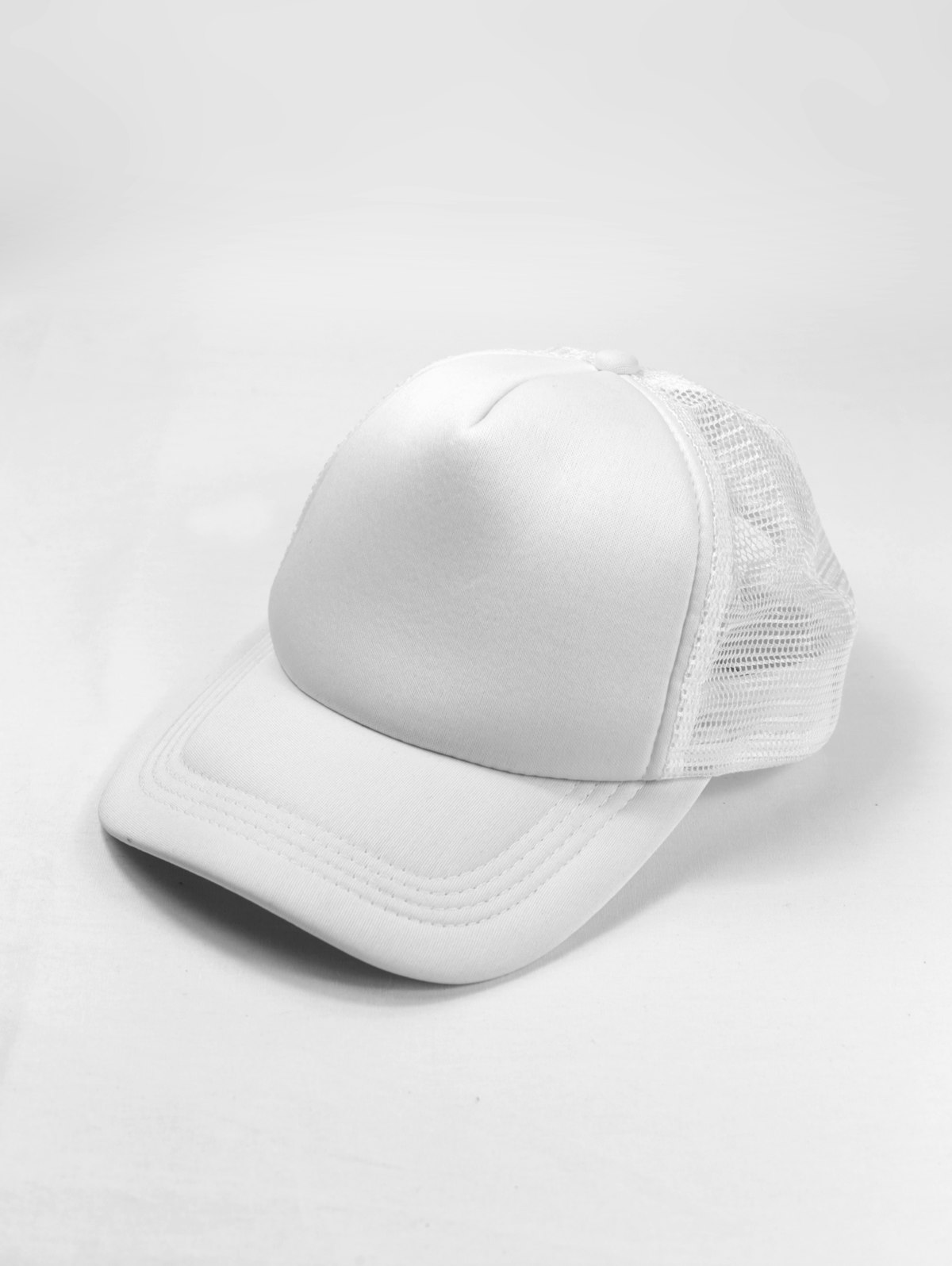
The foam-front, mesh-back trucker hat dominates casual branding for good reason. The structured front panel holds embroidery and patches well. The mesh back breathes in warm conditions. The snapback closure fits most head sizes.
Works best for:
- Breweries, distilleries, and craft beverage brands
- Outdoor and agricultural businesses
- Casual dining and food service
- Event merchandise and festival giveaways
Avoid if: Your brand positioning is formal, luxury, or corporate. The trucker aesthetic reads casual regardless of your logo quality.
5-Panel and 7-Panel Caps: Clean Canvas for Complex Logos
These structured caps eliminate the center seam found on traditional baseball caps. The seamless front panel provides an uninterrupted surface for larger logos or detailed artwork.
Works best for:
- Brands with horizontal or wide logos
- Detailed illustrations or multi-color designs
- Premium merchandise lines
- Influencer and creator collaborations
Key consideration: The seamless construction costs more per unit. Reserve these for situations where the design demands it.
Dad Hats: Approachable and Understated
Unstructured dad hats offer a relaxed, vintage feel. The soft crown and curved brim create a worn-in appearance even when new. These caps work with smaller, simpler logos.
Works best for:
- Lifestyle and wellness brands
- Coffee shops and boutique retail
- Personal projects and small creators
- Brands targeting millennials and Gen Z
Limitation: The unstructured fabric doesn't support 3D puff embroidery well. Stick to flat embroidery or small patches.
Performance Caps: Function Meets Branding
Moisture-wicking fabrics and athletic fits serve active contexts. These caps justify their higher cost when recipients will actually wear them during physical activity.
Works best for:
- Fitness studios and gyms
- Golf courses and country clubs
- Running clubs and cycling teams
- Outdoor guide services
Reality check: Performance caps cost significantly more than standard options. Unless your audience genuinely needs moisture management, standard caps deliver better value.
Beanies: Seasonal Visibility
Knit beanies extend brand visibility into cold weather. They also work year-round for certain aesthetics and industries.
Works best for:
- Ski resorts and winter sports
- Outdoor apparel brands
- Construction and trades (safety colors available)
- Streetwear and youth-oriented brands
Production note: Beanies typically require patch decoration rather than direct embroidery. The knit fabric doesn't hold embroidery as cleanly as woven materials.
Decoration Methods: What Actually Works
The decoration method affects durability, appearance, and which designs translate successfully. Choose based on your specific artwork, not general preferences.
Embroidery: The Industry Standard
Thread stitched directly into the hat fabric. This remains the most common method for good reason: it's durable, professional, and works with most logo styles.
Best for:
- Simple logos with solid colors
- Text-heavy designs
- Brands needing maximum durability
- Professional and corporate contexts
Technical limits:
- Fine details under 0.25" often blur or disappear
- Photographic images don't translate
- Each color adds production complexity
- Very large designs increase stitch count and cost
3D Puff vs Flat: Puff embroidery uses foam backing to raise the design. It creates visual impact but only works with simple, bold shapes. Detailed logos lose clarity when puffed.
Leather Patches: Distinctive and Durable
Laser-engraved or debossed leather patches create a premium, handcrafted appearance. The rustic aesthetic has grown increasingly popular across industries.
Best for:
- Outdoor and adventure brands
- Craft beverages and artisan products
- Western and rural aesthetics
- Brands wanting differentiation from standard embroidery
Design requirements:
- Single color only (the leather tone)
- Simple shapes with clear contrast
- No fine text under 0.125" height
- Works best with icon-forward logos
Material options: Genuine leather costs more but ages attractively. Synthetic leather (often called "leatherette") offers consistent appearance at lower cost.
PVC and Rubber Patches: Bold and Waterproof
Molded rubber or PVC patches create a three-dimensional, highly durable decoration. Colors are vibrant and edges are crisp.
Best for:
- Bold, graphic logos
- Outdoor and marine applications
- Youth and action sports brands
- Designs with strong geometric shapes
Production reality:
- Custom molds add 2-3 weeks to production time
- Minimum quantities are typically higher (50-100 units)
- Changes after mold creation require new tooling
- Best for designs you won't modify frequently
Woven Patches: Detail Without Thread Limits
Woven patches reproduce fine details and small text better than embroidery. The fabric construction allows for photographic detail and complex gradients.
Best for:
- Detailed illustrations
- Small text and fine lines
- Vintage or heritage aesthetics
- Designs that failed embroidery tests
Attachment consideration: Patches require sewing onto the hat. This adds a production step but allows repositioning if needed.
Common Mistakes and How to Avoid Them
Mistake 1: Choosing Style Before Considering the Logo
The hat style should serve the logo, not the other way around. A complex, horizontal logo needs a 5-panel cap's seamless front. A simple icon works on any style. Evaluate your artwork first, then select compatible hat options.
Mistake 2: Ignoring the Context of Use
A hat for trade show giveaways has different requirements than employee uniforms or retail merchandise. Giveaway hats prioritize cost efficiency. Employee hats need durability and professional appearance. Retail hats justify premium construction and decoration.
Ask: Where will people wear this hat? How long should it last? Does the recipient need to look professional while wearing it?
Mistake 3: Overcomplicating the Design
Hats are small canvases. Designs that work on t-shirts or signage often fail on headwear. Simplify before production.
Practical limits:
- Maximum comfortable embroidery width: approximately 4 inches
- Readable minimum text height: 0.25 inches for embroidery, 0.125 inches for patches
- Optimal color count: 1-4 colors for embroidery, unlimited for printed patches
Mistake 4: Skipping the Sample
Production samples cost money and add time. Skip them anyway and you risk receiving hundreds of hats with problems you could have caught. Color matching, logo placement, and overall quality all benefit from physical review before bulk production.
Request a sample. Wear it. Wash it. Then approve production.
Mistake 5: Underestimating Production Time
Standard production runs 2-4 weeks after artwork approval. PVC patches and complex embroidery take longer. Rush fees exist but don't eliminate production physics.
Build realistic timelines. Add buffer for revisions. Don't promise delivery dates before confirming with your supplier.
Making Your Design Production-Ready
File Formats That Work
Vector files (AI, EPS, PDF) produce the best results. These formats scale without quality loss and contain the color information embroidery and patch production need.
If you only have raster files (PNG, JPEG), ensure they're high resolution (300+ DPI at actual size). Expect digitization fees—someone must convert your raster image into stitch instructions or patch specifications.
Color Considerations
Thread colors and patch materials don't perfectly match digital colors. Pantone references help, but expect some variation. Request color swatches or samples if exact matching is critical.
Dark logos on dark hats disappear. Light logos on light hats wash out. Contrast matters more than color preference.
Placement Options
Front center: Standard placement, works for most logos. This is where eyes go first.
Side panels: Secondary logos, taglines, or sponsor placement. Less prominent but still visible.
Back: Website URLs, additional branding, or "established" dates. People behind the wearer see this.
Under brim: Hidden branding, internal jokes, or surprise elements. Growing trend but adds cost.
Questions Worth Asking Your Supplier
Before ordering custom hats online, get clear answers to these questions:
-
What's included in the quoted price? Setup fees, digitization, and shipping often appear as separate charges.
-
Can I see production samples before bulk manufacturing? Reputable suppliers offer this. Budget suppliers often don't.
-
What happens if the hats arrive with quality problems? Understand the return and reprint policy before you need it.
-
How do you handle artwork that doesn't translate well? Good suppliers advise on modifications. Bad suppliers print whatever you send.
-
What brands of blank hats do you use? Richardson, Yupoong, and Pacific are industry standards. Unknown blanks may indicate quality shortcuts.
Choosing Quality Over Price
Cheap hats end up in trash cans. The $3 hat that falls apart after two washes does more harm than good for your brand. Recipients remember quality—both good and bad.
This doesn't mean spending maximum money. It means understanding where cost cutting hurts and where it doesn't. Blank hat quality matters more than most decoration upgrades. Standard embroidery often outperforms premium methods poorly executed.
Invest in the hat itself. Keep decoration appropriate to your actual design. Request samples. These basics matter more than chasing the lowest per-unit price.
Getting Started
Define what success looks like before requesting quotes. Know your quantity needs, timeline constraints, and quality expectations. Have your logo in vector format. Understand which hat styles fit your brand context.
Then reach out to suppliers with specific questions. Compare not just prices but responsiveness, sample quality, and willingness to advise on your project. The right partner makes the process straightforward. The wrong one creates expensive problems.
Custom hats done well become brand assets people actually wear. That's the goal worth pursuing.